Finding the Best Decaf Coffee Beans UK: Your Ultimate Guide

Finding the best decaf coffee beans in the UK once felt like settling for second best. Not anymore. Today’s speciality market is brimming with rich, complex flavours that stand shoulder-to-shoulder with their caffeinated cousins, all without the buzz. Options like the Swiss Water Decaf Peru from ADS Coffee Supplies are a perfect example, proving you don’t have to sacrifice taste for a calmer coffee experience.
This guide is here to help you navigate this exciting new world.
Why Flavourful Decaf Is No Longer a Myth
For years, decaf was the forgotten soul on the menu, a byword for weak, watery, or just plain bland. But a quiet revolution has been brewing. Coffee lovers across the UK are now seeking out high-quality decaf beans not as a reluctant substitute, but as a deliberate and enjoyable choice.
What's driving this? A growing desire to manage caffeine for better sleep and less anxiety, without giving up the comforting daily ritual of a beautifully made coffee.
This isn't just a hunch; the numbers back it up. Recent research shows the number of Brits drinking more decaf has jumped by 26%, a clear nod to more mindful lifestyle choices. Crucially, a massive 44% of UK consumers said full flavour was their top priority when choosing a decaf, proving that taste is finally king. You can dive deeper into this trend in the full consumer research report.
What Sparked the Change?
So, what’s behind this welcome transformation? It really boils down to a few key shifts in the coffee world:
- Smarter Decaffeination: Modern, chemical-free methods like the Swiss Water® Process are game-changers. They excel at gently removing caffeine while keeping the delicate, nuanced flavours of the bean’s origin completely intact.
- Dedicated Roasters: Talented UK roasters are now giving decaf beans the same love and attention as their prize-winning single origins, unlocking their true potential through careful roasting.
- Savvier Drinkers: Today’s coffee drinkers are more knowledgeable than ever. They demand better quality across the board and simply refuse to accept a subpar cup.
Think of this guide as your map to this new landscape. We’ll walk you through everything you need to know to find the very best decaf coffee beans UK roasters have to offer, from understanding decaffeination methods to mastering your home-brewing technique. Get ready to discover a decaf that doesn't just meet your expectations but completely blows them away.
How Decaffeination Methods Unlock Amazing Flavour
Have you ever stopped to wonder how the caffeine actually gets out of a coffee bean? The secret to truly exceptional decaf lies entirely in this process. Not all methods are created equal, and the technique used has a massive impact on the final flavour in your cup.
Understanding the difference is your first step to finding the best decaf coffee beans UK roasters have to offer. Older, more traditional methods often relied on chemical solvents that could strip away not just the caffeine, but also the delicate flavour compounds that make each coffee unique. This is largely why decaf earned its old reputation for tasting a bit… lacklustre.
Thankfully, modern techniques have completely changed the game, putting flavour preservation front and centre. This shift is why so many people are now actively choosing to drink high-quality decaf for its tangible benefits, without having to compromise on taste.
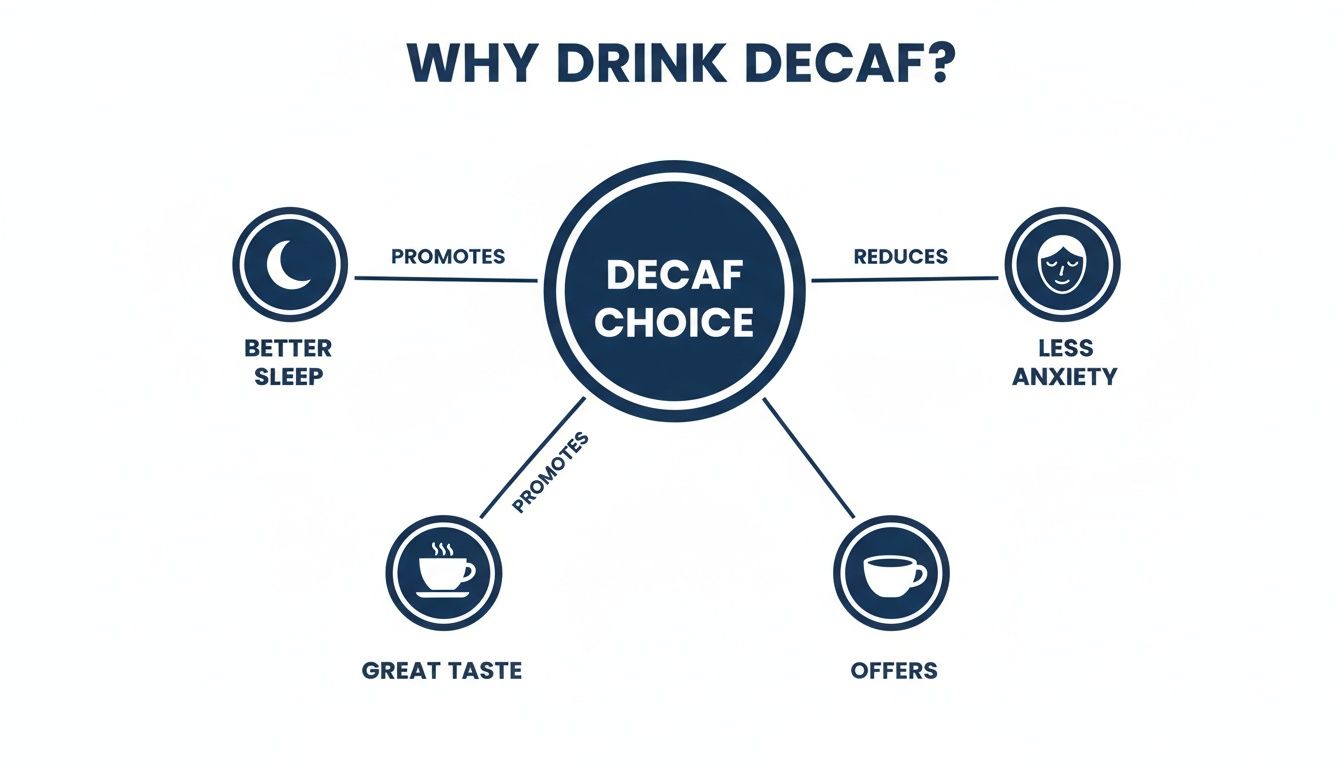
As you can see, it's not just about avoiding the jitters. People are switching for better sleep and less anxiety, but the key takeaway is that great taste is non-negotiable.
The Gentle Power of the Swiss Water Process
Leading this flavour-focused movement is the Swiss Water® Process. It’s a remarkably clever, 100% chemical-free method that uses just pure water, temperature, and time to gently coax the caffeine from green coffee beans.
Think of it like this: imagine trying to remove only the salt from a complex soup without disturbing the other herbs and spices. That’s essentially what Swiss Water achieves. It starts by creating a 'flavour-charged' water solution, called Green Coffee Extract (GCE), which contains all the soluble solids found in coffee—everything except the caffeine.
The real magic happens when a new batch of green coffee beans is soaked in this GCE. Because the water is already saturated with all the good stuff, only the caffeine molecules have anywhere to go. They migrate from the beans into the water, leaving the original taste profile almost perfectly intact.
This meticulous process ensures that 99.9% of the caffeine is removed, while the bean's unique origin characteristics—whether that’s floral notes from Ethiopia or chocolatey tones from Peru—are beautifully preserved. It’s why a coffee processed this way tastes so incredibly pure and untainted.
Why The Method Matters So Much
When you're searching for your next bag of beans, looking for the Swiss Water logo is one of the surest signs of quality. It’s a clear signal that the roaster has invested in a method that truly respects the integrity of the coffee. You can find excellent Swiss Water decaf coffee beans from retailers like ADS Coffee Supplies.
To make it easier, here’s a quick rundown of the main decaffeination methods you’ll come across.
Comparing Coffee Decaffeination Methods
| Method | Process Overview | Flavour Impact | Chemical-Free? |
|---|---|---|---|
| Swiss Water | Uses flavour-charged water (GCE) to gently remove caffeine without chemicals. | Excellent flavour preservation, retaining the bean's original character. | Yes, 100% |
| CO₂ Method | Liquid CO₂ acts as a natural solvent to selectively bind with and remove caffeine. | Very good flavour retention, considered a clean and effective process. | Yes |
| Solvent-Based | Uses solvents like ethyl acetate or methylene chloride to wash the caffeine away. | Can sometimes strip flavour and leave a subtle chemical aftertaste. | No |
Ultimately, by choosing beans decaffeinated with a gentle, chemical-free process, you’re not just getting less caffeine. You're getting more of what you love—the pure, unadulterated, and delicious taste of great coffee.
How to Choose Your Perfect Decaf Coffee Beans
Right, now that you know how decaf is made, it's time for the fun part: picking the beans. Forget searching for one single "best" bag. The real goal is to find the decaf that’s perfect for you and the way you like to drink your coffee.
So, where do you start? The first big choice is between a single-origin coffee and a blend. Single-origin beans come from a specific farm or a small region, and they taste like it. They have a unique, sometimes complex flavour that tells the story of the soil, altitude, and climate where they grew. It's just like a good wine from a particular vineyard.
Blends, on the other hand, are a roaster's creation. We combine beans from different places to craft a specific, reliable flavour profile. This is often done to achieve that classic, balanced taste—think rich chocolate and caramel notes—that works brilliantly for espresso. Neither is better than the other; it’s all about what you’re in the mood for. If you want to dive deeper, we have a whole guide on the world of single origin coffee.
Understanding Roast Levels
The roast level completely transforms the flavour of a coffee bean. Think of it like toasting a piece of bread: it goes from soft and doughy to crisp, golden, and caramelised. Roasting does the same for green coffee, unlocking all its potential flavour.
- Light Roast: These roasts let the bean’s natural character shine through. Expect brighter, more acidic cups, often with delicate fruity or floral notes. They’re fantastic for filter methods like a V60 or AeroPress, which are great at highlighting subtlety.
- Medium Roast: This is the sweet spot for many coffee drinkers. A medium roast offers a beautiful balance, where you can still taste the bean's origin but it’s rounded out by deeper caramel flavours. It results in a fuller body, with classic notes of chocolate, nuts, and stone fruit.
- Dark Roast: This is where the bold, rich, and smoky flavours come out to play. The unique origin notes take a back seat to deep, roasty, chocolatey flavours with very little acidity. It’s the traditional choice for a punchy espresso.
Decoding Tasting Notes and Freshness
When you see words like ‘raspberry,’ ‘walnut,’ or ‘brown sugar’ on a coffee bag, don't worry—nothing has been added. These are just the subtle, natural flavours that coffee experts have picked up on when tasting the coffee.
These notes are your flavour map. If you love rich desserts, look for beans with notes of chocolate, toffee, or caramel. If you prefer something bright and zesty, descriptions with citrus, berry, or floral notes will be a better match for your palate.
Finally, and this is a big one, always check the roast date. Coffee tastes best when it’s fresh, and its flavour really peaks within a few weeks of being roasted. A "best before" date is vague, but a specific roast date is the mark of a roaster who cares about quality. It’s your guarantee that you’re getting the most vibrant and delicious cup possible.
Right then, we’ve talked theory. Now, let’s introduce you to a coffee that truly walks the walk. Meet the outstanding Swiss Water Decaf from Peru—a perfect example of just how incredible decaf can be. You can find it at specialists like ADS Coffee Supplies.
Sourced from the high-altitude Cajamarca region of Peru, these beans tell a story of quality right from the start.
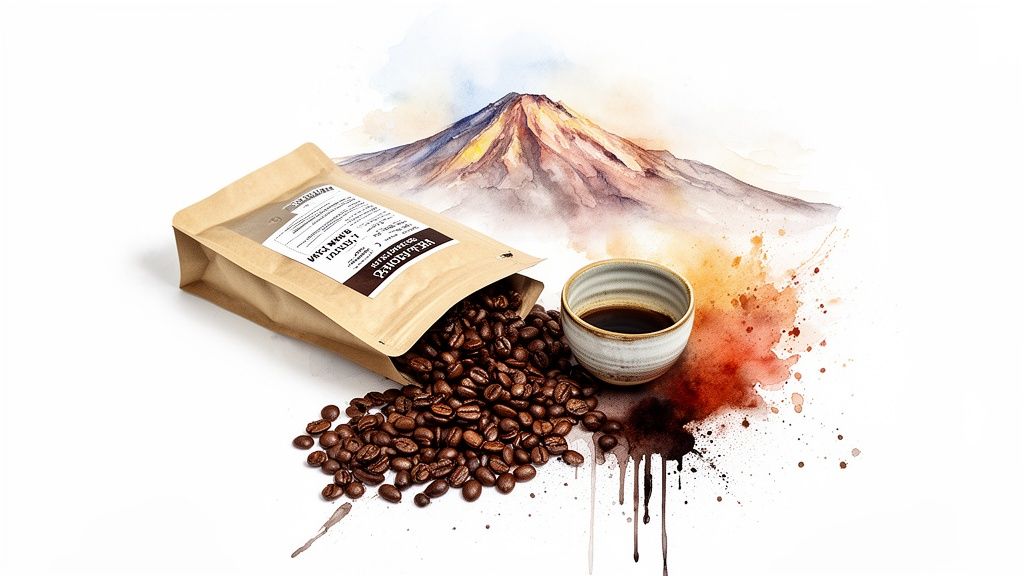
This isn’t just another decaf; it’s a celebration of flavour. Grown by dedicated smallholder farmers, Peruvian beans are bursting with rich, indulgent tasting notes of dark chocolate, toasted nuts, and a subtle hint of sweet fruit. By using the Swiss Water Process, roasters ensure these delicate flavours are perfectly preserved, giving you a cup that’s both full-bodied and remarkably clean.
The Secret to Its Superior Flavour
The commitment to quality doesn’t stop at decaffeination. Modern roasting techniques carefully develop each bean’s inherent sweetness and complexity, all without introducing any of those harsh, overly roasty notes. This meticulous process locks in every delicate nuance, delivering a smooth, satisfying brew every single time.
We believe decaf drinkers deserve a coffee experience that is every bit as delicious and rewarding as its caffeinated counterpart. A quality Peruvian decaf is roasted to offer a balanced and approachable profile that shines in any brewing method, from a cafetière to an espresso machine.
This focus on quality is catching on across the country. In fact, a surprising one in five UK coffee drinkers now regularly opts for decaf, cementing the UK’s position as a European leader in decaf consumption. It’s a cultural shift that highlights a growing appetite for sophisticated, flavour-first options.
Ethically Sourced and Expertly Crafted
Sourcing is just as important as roasting. The best roasters work directly with partners who ensure farmers receive fair prices for their incredible coffee, which helps support sustainable livelihoods and empower local communities. This ethical approach is at the very core of great coffee.
This coffee has been carefully crafted to be the ultimate crowd-pleaser. It’s a testament to the belief that choosing decaf should never, ever mean compromising on taste. If you're looking for the best decaf coffee beans UK roasters have to offer, we invite you to experience the difference for yourself.
For anyone keen to explore another fantastic decaffeinated option, our friends at Seven Sisters Coffee Co. also offer a brilliant Swiss Water Decaf. Their selection is another great example of how modern methods are completely transforming the world of decaf coffee.
Mastering Your Home-Brewed Decaf Coffee
Getting your hands on the best decaf coffee beans UK roasters have to offer is a brilliant start, but it’s only half the story. To truly unlock their incredible flavour, you need to get your brewing technique just right. While these decaf beans are every bit as high-quality as their caffeinated cousins, the decaffeination process can make them a little more soluble.
What does that mean for you? Simply that they sometimes extract a bit faster. Don't worry, a few small tweaks are all it takes to brew a perfectly balanced cup. With the right approach, you can easily whip up café-quality coffee right in your own kitchen. Let's look at how to get the best from the UK's most popular home-brewing methods.
Tips for the Perfect Cafetière Brew
The cafetière, or French press, is a beloved classic for a reason. It produces a rich, full-bodied coffee, and its immersive brewing style is incredibly forgiving, making it a great starting point for any coffee lover.
To get the most out of your decaf, just follow these simple steps:
- Grind Size: Go for a coarse grind—think rough sea salt. This stops the coffee from over-extracting and keeps the filter from getting clogged up.
- Water Temperature: Use water just off the boil, around 93°C. Pouring boiling water straight onto your grounds can scorch the delicate flavours.
- Brew Time: Let it all steep for four minutes. Once the time is up, gently break the crust at the top with a spoon, then slowly press the plunger down. Pour it straight away to stop it from brewing any further.
Nailing Your V60 Pour-Over
The V60 is all about precision and control. Get it right, and you're rewarded with a clean, bright, and nuanced cup that really lets the subtle notes of your beans sing. It’s perfect for appreciating the complexity of a great single-origin decaf.
Because decaf can extract quickly, using a slightly coarser grind than you might for regular coffee often works wonders. This helps slow down the water flow, preventing any bitterness from creeping in. For a deeper dive into different techniques, our comprehensive guides to brewing coffee have detailed advice for every method.
AeroPress Versatility and Flavour
The AeroPress is the versatile champion of the coffee world. It can make everything from a short, intense espresso-style shot to a longer, filter-like coffee, and its speedy, pressure-based system is fantastic for decaf.
For a clean and balanced AeroPress brew, try a grind that’s slightly finer than for a V60 but coarser than espresso. A quick brewing time of around 60-90 seconds is usually all you need to pull a sweet, flavourful, and satisfying cup without any harshness.
Finally, a quick but crucial tip: whatever your method, always use filtered water. Tap water in many parts of the UK is full of minerals that can muddle the delicate flavours of your coffee, leaving it with a dull or chalky taste. Filtered water gives you a clean slate, allowing the true character of your beans to shine through.
Keeping Your Decaf Beans Fresh for Longer
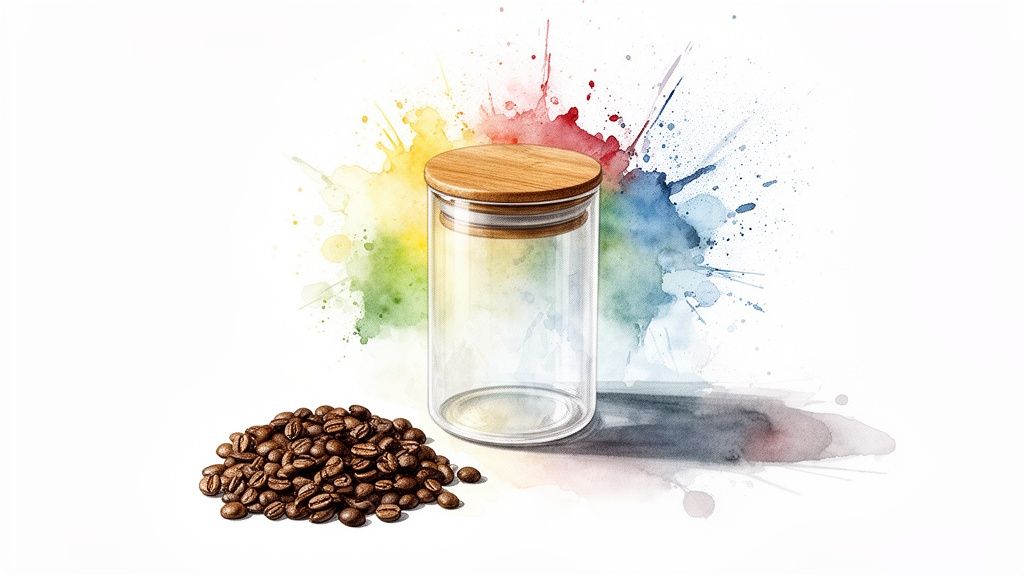
You’ve invested in a fantastic bag of decaf, so the last thing you want is for the final cup to taste stale and lifeless. Proper storage is the secret to making sure it’s as incredible as the first. Think of your coffee beans as delicate fresh produce; they have four main enemies that will ruin their flavour over time.
These culprits are oxygen, light, heat, and moisture. Let any of these get to your beans, and you’ll speed up the staling process, robbing them of their vibrant aroma and nuanced taste. And on that note, please don't store your beans in the freezer – the moisture will do more harm than good.
Simple Steps for Peak Freshness
Luckily, the best defence is a simple one. Follow these rules to protect your investment in the best decaf coffee beans the UK has to offer:
- Airtight is Essential: An opaque, airtight container is your best friend. It shields the beans from both oxygen and damaging UV light.
- Keep it Cool and Dark: A kitchen cupboard is the perfect spot, as long as it’s away from the oven or direct sunlight.
- Buy Whole Beans: This is the single most effective trick in the book. Preserve that incredible flavour by buying whole beans and grinding them only seconds before you brew.
Storing coffee correctly is a simple habit that makes a world of difference to your daily brew. It protects the delicate compounds responsible for the delicious taste and aroma you paid for.
For a more detailed breakdown, you can learn exactly how to store coffee beans from specialist retailers like ADS Coffee Supplies and keep them tasting their best for longer.
Your Decaf Coffee Questions Answered
We’ve covered a lot of ground on how to find, brew, and store the best decaf coffee beans from UK roasters. But to wrap things up, let’s tackle some of the most common questions that come up. This way, you can feel completely confident about your next decaf purchase.
Is Decaf Coffee Completely Free of Caffeine?
Not entirely, but it gets incredibly close. For a coffee to earn the "decaffeinated" label here in the UK, it must have at least 99.9% of its original caffeine removed.
What that means for your mug is a tiny 2-5 milligrams of caffeine, a world away from the 95-200 milligrams in a standard caffeinated cup. For almost everyone, that amount is so small you won’t even notice it – certainly not enough to bring on the jitters or spoil a good night’s sleep.
Does Decaf Coffee Taste as Good as Regular Coffee?
Go back a decade or two, and the honest answer would have been a firm "no." Early decaffeination often relied on harsh chemical processes that stripped the beans of their character, leaving the coffee tasting weak, flat, or just a bit… odd.
Thankfully, things have moved on. Modern methods like the Swiss Water Process have completely rewritten the rulebook for decaf.
The Swiss Water Process is 100% chemical-free and was developed specifically to preserve a coffee's delicate origin flavours and aromas. When you buy a high-quality, freshly roasted decaf today, you should expect nothing less than a rich, complex, and full-bodied cup that stands shoulder-to-shoulder with its caffeinated cousins.
This new standard of quality is what’s fuelling a huge surge in popularity. The UK decaffeinated coffee market was valued at USD 132.88 million in 2024 and is expected to hit USD 208.01 million by 2033. This growth is all down to drinkers like you who refuse to compromise on taste. You can dig deeper into this trend in the full market report.
Are There Health Benefits to Drinking Decaf Coffee?
Yes, absolutely. Decaf coffee holds onto most of the same powerful antioxidants, like polyphenols, found in regular coffee. These are the compounds that help protect your body from cellular damage.
By choosing decaf, you get all those impressive benefits without the potential downsides of caffeine, such as disrupted sleep patterns or heightened anxiety. It makes it the perfect choice for anyone who’s sensitive to caffeine, or for those of us who just fancy a comforting, flavourful brew in the afternoon or evening without it messing with our rest.
Ready to try a decaf that genuinely delivers on flavour? At ADS Coffee Supplies, our Swiss Water Decaf Peru offers rich notes of chocolate and nuts, proving you never have to compromise.
Explore our exceptional Swiss Water Decaf Peru today