
10 Surprising Uses for Coffee Grounds in Garden Beds for 2025

Every morning, millions of us across the UK brew a fresh cup of coffee, creating a fragrant kick-start to the day. But what happens to the dark, rich grounds left behind? More often than not, they end up in the bin, contributing to household waste. However, this humble byproduct is a powerhouse of nutrients and organic matter that your garden is crying out for. From enriching your soil to keeping pesky slugs at bay, the uses for coffee grounds in garden settings are as varied as they are effective.
This guide will walk you through ten practical and sustainable ways to transform your daily coffee habit into a cornerstone of a thriving, eco-friendly garden. We'll delve into the science behind why grounds work, provide actionable steps for each application, and share tips to avoid common pitfalls. Whether you're tending a small balcony garden or a sprawling allotment, integrating spent grounds is a simple step towards a more circular and productive gardening practice. Prepare to see your coffee waste, including the excellent grounds from your favourite artisan coffee blends, in a completely new light and unlock its full potential.
1. Soil Amendment and pH Balancing
One of the most direct uses for coffee grounds in the garden is as a soil amendment. Spent grounds are a rich source of organic matter, improving soil structure, aeration, and water retention as they break down. This process slowly releases essential nutrients like nitrogen, potassium, and magnesium, providing a gentle, long-term feed for your plants.

Contrary to popular belief, used coffee grounds are not highly acidic; they have a near-neutral pH. However, as they decompose, they can slightly lower the soil's pH over time, making them an excellent addition for acid-loving (ericaceous) plants. This makes them particularly valuable for home gardeners growing blueberries, azaleas, rhododendrons, and hydrangeas, helping these plants absorb nutrients more efficiently.
How to Apply Coffee Grounds to Soil
- Dry First: Always dry your coffee grounds before use to prevent mould growth. Spread them thinly on a tray in a sunny spot.
- Application Rate: Apply a layer of 2-3 cm (about 1 inch) of dried grounds and gently work it into the top 5-8 cm (2-3 inches) of your garden soil.
- Balance is Key: Coffee grounds are a 'green' nitrogen source. To avoid depleting nitrogen from the soil during decomposition, mix them with 'brown' carbon-rich materials like fallen leaves or straw.
- Best Timing: The ideal time to amend your soil is in autumn or early spring, giving the grounds ample time to break down before the main growing season begins.
For a consistent and high-quality supply, consider using grounds from a single-origin bean, like those in our coffee hampers, to ensure a uniform nutrient profile for your soil.
2. Natural Pest Deterrent and Slug Control
One of the most valuable uses for coffee grounds in the garden is as a natural and effective pest deterrent. Spent coffee grounds create a physical barrier that slugs, snails, and certain other soft-bodied insects dislike crossing. The abrasive texture of the dried grounds irritates their delicate skin, while the residual caffeine can act as a mild neurotoxin, discouraging them from munching on your prized plants.
This chemical-free method is a fantastic alternative to traditional slug pellets, making it a popular choice for organic gardeners and those with pets or children. It's particularly useful in cottage gardens for protecting young seedlings and tender new growth on plants like hostas and lettuces, which are often targeted by slugs. Community gardens also use this technique to create protective perimeters around vegetable plots, safeguarding the harvest for everyone.
How to Use Coffee Grounds for Pest Control
- Dry Completely: Ensure the grounds are thoroughly dry before application to prevent mould. Spreading them on a baking tray in a warm, dry place works well.
- Create a Barrier: Sprinkle a ring of dried grounds, about 2-3 cm (1 inch) wide, directly on the soil around the base of vulnerable plants.
- Reapply Regularly: The barrier loses its effectiveness when wet. Be sure to reapply a fresh layer of grounds after heavy rain or watering.
- Combine Methods: For severe infestations, enhance your defence by pairing coffee grounds with other methods like copper tape or beer traps. For gardeners looking beyond coffee grounds, exploring other sustainable pest solutions for a vibrant garden can further strengthen your natural pest control efforts.
3. Compost Acceleration and Enhancement
Boosting your compost pile is one of the most effective uses for coffee grounds in the garden. Used grounds are classified as a 'green' compost material, meaning they are exceptionally rich in nitrogen. This nitrogen acts as a fuel source for the microorganisms responsible for breaking down organic waste, significantly speeding up the entire decomposition process.
By adding coffee grounds, you help create the ideal carbon-to-nitrogen (C:N) ratio that compost microbes thrive on. This balance prevents the pile from becoming slow and stagnant or, conversely, overly wet and smelly. The result is a faster transformation of kitchen scraps and garden waste into dark, nutrient-dense humus that enriches your soil, improving its structure and fertility. Home composters often find they can produce finished compost in just three to four months instead of the usual six to twelve.
How to Use Coffee Grounds in Your Compost
- Balance with Browns: For every part of 'green' coffee grounds you add, mix in an equal volume of 'brown' carbon-rich materials like dried leaves, shredded cardboard, or wood chippings.
- Volume Control: Aim for coffee grounds to make up no more than 15-20% of your total compost volume to maintain a healthy microbial balance.
- Aerate Regularly: The high nitrogen content from grounds can heat up a compost pile quickly. Turn your compost heap weekly to ensure it stays well-aerated and evenly decomposes.
- Moisture Management: Keep the compost pile as damp as a wrung-out sponge. Coffee grounds can sometimes clump together, so regular turning also helps distribute moisture.
Using grounds from a consistent, high-quality source, such as our single-origin speciality coffee beans, ensures your compost receives a clean and uniform nitrogen boost every time.
4. Earthworm Population Boost
Enhancing your garden's ecosystem from the ground up is one of the most effective uses for coffee grounds in the garden, and nothing works harder beneath the surface than earthworms. Spent coffee grounds act as a powerful attractant for these subterranean heroes. The grounds provide a food source rich in organic matter, encouraging worms to tunnel, breed, and enrich your soil with their valuable castings.

This increased earthworm activity naturally improves soil aeration, structure, and drainage. Gardeners using no-dig methods often report a significant rise in worm populations after incorporating coffee grounds, leading to healthier, more friable soil without manual tilling. This process is a cornerstone of creating a self-sustaining garden environment.
How to Attract Earthworms with Coffee Grounds
- Gradual Introduction: Start by lightly sprinkling dried coffee grounds over the soil surface, no more than 1-2 cm deep. Applying too much at once can create a dense, water-repellent layer.
- Combine with Mulch: Cover the sprinkled grounds with a layer of organic mulch like wood chips or straw. This protects the grounds, retains moisture, and creates an ideal, cool habitat for worms to thrive.
- Moisture is Key: Earthworms need a consistently moist environment. Ensure the soil remains damp but not waterlogged to keep them active and close to the surface.
- Seasonal Application: Apply this treatment 2-3 times during the growing season, typically in spring and late summer, for a cumulative and lasting effect on the worm population.
For those new to building rich, organic soil, integrating coffee grounds into a compost system is an excellent first step. To get started, read our easy guide on how to start composting to learn the fundamentals.
5. Mulch Component for Moisture Retention
Incorporating dried coffee grounds into your mulch is a highly effective way to enhance soil health and conserve water. When mixed with other organic materials like wood chips or straw, coffee grounds help create a protective layer over the soil. This barrier reduces water evaporation from the surface, keeping the soil moist for longer, which is particularly beneficial during dry UK summers.
This multi-functional mulch does more than just retain moisture; it also helps to regulate soil temperature, protecting plant roots from extreme heat or cold. As the grounds and other organic matter break down, they slowly release valuable nutrients into the soil, providing a gentle feed for your plants. This makes it an excellent strategy for perennial borders and vegetable gardens, where consistent moisture and nutrient levels can extend the growing season.
How to Use Coffee Grounds in Mulch
- Create a Blend: To prevent the grounds from compacting and forming a water-resistant crust, always mix them with a coarser material. A ratio of one part dried coffee grounds to three parts wood chips, shredded leaves, or straw works well.
- Application Depth: Apply a layer of your mulch mix 5-8 cm (2-3 inches) deep around your plants, being careful to keep the mulch from directly touching the plant stems to prevent rot.
- Water In: After applying the mulch, water the area thoroughly. This helps to settle the mixture and ensures it starts its job of retaining moisture immediately.
- Annual Refresh: Mulch naturally decomposes into the soil over time. Plan to top up the layer each year to maintain its effectiveness.
Using grounds from high-quality, pesticide-free sources ensures you are only adding beneficial components to your garden. Consider the spent grounds from our range of speciality single-origin coffees for a clean and consistent addition to your mulch.
6. Nitrogen Supplement for Vegetable Gardens
Coffee grounds serve as an excellent slow-release nitrogen source, making them one of the most effective uses for coffee grounds in garden settings, particularly for vegetable patches. Many vegetable crops, such as leafy greens, tomatoes, and corn, are 'heavy feeders' and require a consistent supply of nitrogen to thrive. As the grounds decompose, they steadily release this vital nutrient, supporting robust foliage growth and overall plant health.
This natural fertilisation method helps reduce the need for synthetic nitrogen products, aligning with sustainable and organic gardening practices. Allotment holders and market gardeners often utilise spent grounds from local cafés to enrich their soil, not only improving crop yields but also bolstering their sustainability credentials. This approach fosters a circular economy within the local community.
How to Apply Coffee Grounds to Vegetable Gardens
- Targeted Application: Leafy vegetables like lettuce, spinach, and kale benefit most from a direct application. For fruiting plants such as tomatoes and peppers, it's best to apply grounds sparingly before they begin to flower to encourage fruit production over excessive leaf growth.
- Application Rate: Gently work a layer of 2-5 cm (about 1-2 inches) of dried grounds into the topsoil around the base of your plants.
- Timing is Crucial: Apply in early spring as you prepare your vegetable beds. A second, lighter application mid-season can provide a valuable boost for long-season crops.
- Observe and Adjust: Monitor your plants' growth. Lush, dark green leaves indicate sufficient nitrogen. If growth appears stunted or leaves are yellowing, it may be time to reapply.
Using grounds from a consistent source, such as a high-quality single-origin bean from our coffee subscriptions, ensures a uniform nutrient profile for your vegetable garden.
7. pH Adjustment for Acid-Loving Plants
Many gardeners, particularly in the UK where chalky, alkaline soils are common, struggle to cultivate acid-loving plants. Spent coffee grounds offer a natural and sustainable solution. While used grounds have a near-neutral pH, their decomposition process gradually lowers the soil's pH, creating the acidic conditions that plants like blueberries, azaleas, rhododendrons, and camellias require to thrive and absorb nutrients effectively.
This gradual acidification is far gentler than chemical amendments and is one of the most targeted uses for coffee grounds in the garden. For UK gardeners growing blueberries in containers or trying to maintain the perfect soil for a vibrant heather patch, regular applications can make a significant difference. It allows you to create specific micro-environments within your garden, tailored to the needs of particular plants.
How to Adjust Soil pH with Coffee Grounds
- Apply Directly: Spread a layer of 2-5 cm (1-2 inches) of dried coffee grounds around the base of established acid-loving plants each year. Gently work it into the top layer of soil or mulch.
- Test and Monitor: Before you start, test your soil's pH. Test it again after six months of applications to track the change and adjust your application rate as needed.
- Combine for Effect: For faster results in very alkaline soil, mix coffee grounds with other acidic organic materials like pine needles or leaf mould.
- Container Gardening: This method is especially effective in pots and containers where you have complete control over the growing medium. Mix grounds into the potting compost when planting.
Using grounds from a consistent source, such as our single-origin speciality coffee beans, ensures a uniform composition for predictable results in your soil.
8. Fungal Disease Prevention and Suppression
One of the more advanced uses for coffee grounds in the garden is their ability to help prevent and suppress fungal diseases. Spent grounds contain natural compounds that inhibit certain common plant pathogens. They also stimulate the growth of beneficial soil microorganisms, which compete with and outnumber disease-causing fungi, creating a healthier, more resilient soil ecosystem.
This biological control approach can reduce the incidence of issues like powdery mildew on cucurbits, damping-off disease in seedlings, and various root rots. By fostering a diverse and active microbial community in the soil, you fortify your plants' natural defences, reducing the need for chemical fungicides. This makes it an excellent organic strategy for maintaining plant health throughout the growing season.
How to Use Coffee Grounds for Disease Suppression
- Preventative Application: The key is to apply grounds before diseases appear. Lightly sprinkle dried grounds around the base of susceptible plants in late spring or early summer.
- Air Circulation is Vital: Coffee grounds work best when combined with good gardening practices. Ensure plants have adequate spacing for air circulation, which naturally discourages fungal growth.
- Use Freshly Dried Grounds: For maximum benefit, use grounds that have been recently brewed and promptly dried. This helps preserve the beneficial microbial populations.
- Combine with Proper Watering: Water plants at the soil level, not on the leaves, to keep foliage dry. Reapply a light dusting of grounds annually to maintain the suppressive effect in the soil.
Using a consistent source, such as the grounds from our single-origin subscription beans, can provide a reliable profile of these beneficial compounds for your garden.
9. Nutrient Boost for Container and Potted Plants
Container gardens benefit exceptionally from coffee grounds due to limited soil volume, where nutrients are quickly depleted through regular watering. Adding grounds to potting soil or applying them as a top dressing provides a slow-release source of essential nutrients like nitrogen. This is particularly valuable for long-term container residents like perennials, shrubs, and year-round vegetable production in pots, helping to sustain their health and vigour.
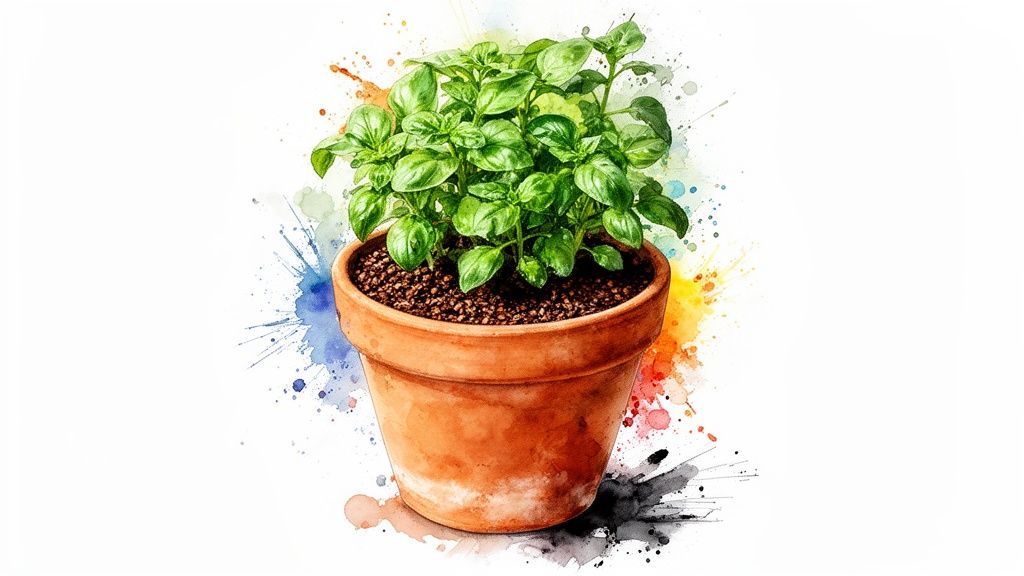
This method is ideal for balcony vegetable growers aiming to maintain productivity in limited space and houseplant enthusiasts looking to reduce their reliance on chemical fertilisers. The organic matter in the grounds also improves the structure of the potting mix, enhancing both aeration and moisture retention, which is critical in the confined environment of a pot.
How to Apply Coffee Grounds to Potted Plants
- Mix into Potting Soil: When potting a new plant, incorporate dried coffee grounds into your potting mix at a ratio of about 10% by volume.
- Top Dressing: For established plants, apply a thin layer of 1-2 cm (less than an inch) of dried grounds as a top dressing. Gently work it into the surface, being careful not to disturb the roots.
- Adjust Watering: Since grounds improve water retention, you may need to reduce your watering frequency slightly to avoid waterlogged soil. Check the soil moisture before watering.
- Refresh Monthly: Reapply the top dressing once a month during the active growing season (spring and summer) to ensure a continuous nutrient supply.
Using grounds from high-quality, single-origin beans, such as those featured in our coffee subscriptions, ensures a consistent nutrient profile for your potted plants.
10. Sustainable Brewing Cycle and Waste Reduction
Adopting the use of coffee grounds in the garden completes a satisfying, sustainable cycle that significantly reduces household waste. Instead of discarding the grounds from your daily brew, you are repurposing a valuable organic resource back into the earth. This circular economy approach aligns perfectly with a minimal-waste lifestyle, transforming what would be landfill-bound waste into a beneficial product for your garden, flowers, and vegetables.
For enthusiasts of speciality coffee, this practice extends the value derived from high-quality, premium beans. By returning the grounds to your soil, you ensure every part of the coffee bean is utilised. This commitment to sustainability is a core principle for many, including customers of Seven Sisters Coffee Co, who appreciate maximising the potential of their artisanally roasted beans from brew to bloom. It’s a powerful way to connect your passion for excellent coffee with a tangible, positive environmental impact.
How to Create a Sustainable Coffee Cycle
- Consistent Collection: Keep a breathable container, such as a ceramic pot with a loose lid, near your coffee machine to collect grounds daily.
- Dry for Longevity: To prevent mould and prepare grounds for storage, spread them on a baking tray and dry them in a low-heat oven or a sunny spot.
- Source Quality Grounds: Ensure your grounds are free from synthetic additives by using high-quality, freshly roasted coffee. This guarantees you are only adding natural, beneficial matter to your garden soil.
- Share the Wealth: If you produce more grounds than your garden needs, offer the excess to neighbours, local allotments, or a community garden to expand the sustainable impact.
Coffee Grounds in the Garden: 10-Point Comparison
| Application | Implementation Complexity 🔄 | Resource Requirements ⚡ | Expected Outcomes 📊 | Effectiveness/Quality ⭐ | Ideal Use Cases 💡 |
|---|---|---|---|---|---|
| Soil Amendment and pH Balancing | Low — mix into top 2–3" of soil; seasonal timing | Low cost if available; best dried; mix with browns | Improved structure, water retention, slow nutrient release, slight pH drop | ⭐⭐⭐ — strong for structure and acid-loving plants | Vegetable beds, containers, blueberries, sandy soils |
| Natural Pest Deterrent & Slug Control | Low — sprinkle barrier; frequent reapplication needed | Moderate supply of dried grounds; reapply after rain | Reduced slugs/snails and some insects; variable control | ⭐⭐ — effective when dry and for light infestations | Organic gardens, seedling protection, perimeter barriers |
| Compost Acceleration & Enhancement | Low — layer into compost; balance with browns | Compost bin/heap, leaves/straw; turning and moisture control | Faster decomposition, richer finished compost, improved microbes | ⭐⭐⭐⭐ — high when balanced (shortens maturation) | Home composters, allotments, community compost schemes |
| Earthworm Population Boost | Low — gradual additions; monitor over months | Steady supply; mix with organic matter; moist soil | Increased worm counts and castings; better aeration and drainage | ⭐⭐⭐⭐ (long-term) — strong ecological benefit over time | No-dig gardens, raised beds, soil restoration projects |
| Mulch Component for Moisture Retention | Moderate — must dry and mix to avoid compaction | Dried grounds + bulk mulch (wood chips); annual refresh | Improved moisture retention, temperature moderation, slow nutrients | ⭐⭐⭐ — effective when blended properly | Ornamental beds, vegetable mulches, perennial borders |
| Nitrogen Supplement for Vegetable Gardens | Low — work into soil; use sparingly by crop stage | Moderate supply; knowledge of crop N needs; timing | Enhanced leafy growth; risk of delayed fruiting if overused | ⭐⭐⭐⭐ for leafy crops / ⭐⭐ for fruiting crops | Leafy greens, brassicas, allotments; cautious use on tomatoes |
| pH Adjustment for Acid-Loving Plants | Low — apply annually; slow cumulative effect | Regular applications; soil testing advised | Gradual lowering of pH; improved conditions for acidophiles | ⭐⭐ — moderate, slow pH change only | Blueberries, rhododendrons, container acid plantings |
| Fungal Disease Prevention & Suppression | Moderate — preventative application + culture controls | Ongoing grounds supply; integrate with sanitation and rotation | Reduced incidence of some fungal diseases over seasons | ⭐⭐⭐ (preventative) — supports disease-suppressive soil | Seedlings, cucurbits, preventative programmes in organic gardens |
| Nutrient Boost for Container & Potted Plants | Low — mix at ~10% by volume or top-dress thinly | Small quantities; ensure drying to avoid mold; monitor moisture | Better nutrient retention and vigour in limited media | ⭐⭐⭐ — high for containers when balanced | Balconies, patio pots, long-term containers, houseplants |
| Sustainable Brewing Cycle & Waste Reduction | Low — collect, dry, store or share; coordination for scale | Consistent supply and storage; community sharing optional | Reduced landfill waste; continuous garden input; educational value | ⭐⭐⭐⭐ — strong for circularity and sustainability | Sustainable households, speciality coffee customers, community schemes |
From Your Cup to Your Crops: The Final Word on Coffee Grounds
As we've explored throughout this guide, the rich, dark grounds left over from your morning brew are far from waste. They represent a potent, sustainable resource, a second life for your coffee beans that can fundamentally transform the health and vitality of your garden. By moving beyond the bin and into the flowerbed, you are actively participating in a circular economy, turning a simple daily ritual into a powerful act of ecological stewardship. The many uses for coffee grounds in garden soil are not just clever tricks; they are practical applications of organic gardening principles.
We have seen how these humble grounds can enrich your compost, deter common pests like slugs and snails, and provide a slow-release source of essential nitrogen. They improve soil structure, attract beneficial earthworms, and can even help suppress certain fungal diseases. From giving your acid-loving hydrangeas and rhododendrons a vibrant colour boost to serving as a moisture-retaining mulch, the versatility of spent coffee grounds is truly remarkable. This simple act of recycling directly reduces your reliance on manufactured fertilisers and chemical pesticides, fostering a more natural, resilient, and self-sustaining garden ecosystem.
Key Takeaways for Your Gardening Journey
The secret to success lies not in overwhelming your garden but in thoughtful, balanced application. Remember these core principles as you begin to integrate coffee grounds into your routine:
- Moderation is paramount: Always start by mixing grounds with other organic matter, such as compost or leaf mould, rather than applying thick, undiluted layers directly to the soil. This prevents compaction and ensures proper aeration.
- Fresh versus used: Use only spent coffee grounds. Fresh, unbrewed grounds are highly acidic and can inhibit plant growth. The brewing process neutralises much of this acidity, making them far safer for general garden use.
- Observe and adapt: Every garden is a unique ecosystem. Pay close attention to how your plants respond. Note changes in growth, leaf colour, and overall health, and adjust your application rates accordingly. What works for your tomatoes might need tweaking for your roses.
Embracing the myriad uses for coffee grounds in garden care is more than just a sustainable practice; it's a way to deepen your connection with the natural cycles of growth and decomposition. It transforms a waste product into a valuable asset, proving that the best resources for our gardens are often the ones we already have. You are not just growing plants; you are cultivating a healthier planet, one coffee cup at a time.
Ready to elevate both your coffee experience and your garden's health? Start with premium, ethically sourced beans from Seven Sisters Coffee Co. Their commitment to quality ensures you get a fantastic brew and pure, additive-free grounds perfect for creating nutrient-rich soil. Explore their exceptional range and begin your sustainable journey today at Seven Sisters Coffee Co.